
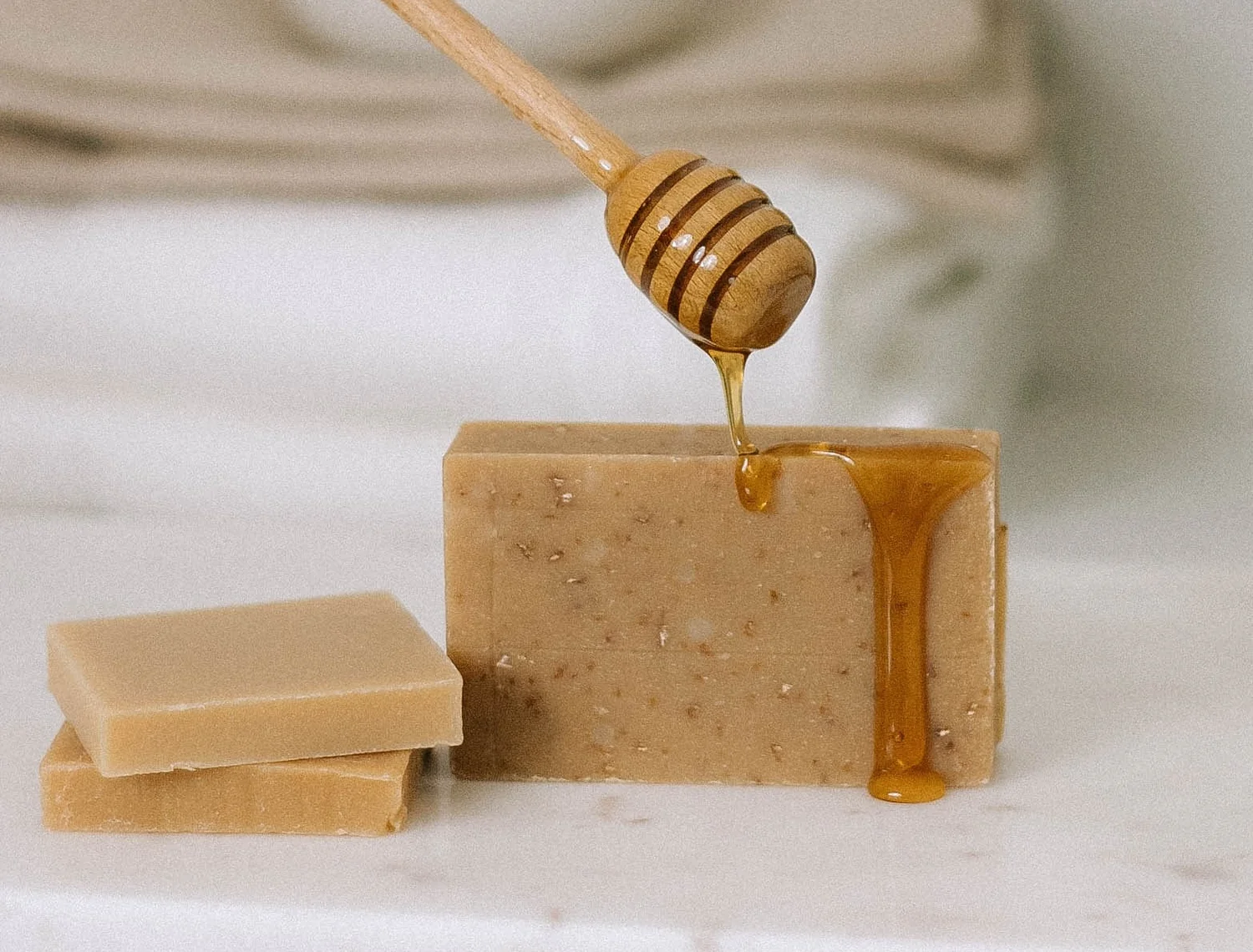
Caring for sensitive skin can often feel like a delicate balancing act. The wrong soap can lead to dryness, redness, or irritation, while the right one helps maintain moisture and protects the skin barrier. With so many options available, it can be challenging to know which soap is truly best for sensitive skin. This article explores what makes a soap gentle, the ingredients to look for, and the top recommendations that offer both protection and nourishment.
Why Sensitive Skin Needs Special Care
Sensitive skin reacts more easily to harsh chemicals, strong fragrances, or abrasive cleansing agents. Many commercial soaps contain sulfates and artificial additives that strip away natural oils, leaving skin vulnerable to irritation. Those with sensitive skin often experience:
- Redness and inflammation
- Dry patches and flakiness
- Itching or burning sensations
- Increased risk of eczema flare-ups
For these reasons, choosing a soap specifically formulated for sensitive skin is essential. Gentle, moisturizing cleansers that avoid harsh chemicals can help soothe skin and maintain its natural balance.
Qualities of the Best Soap for Sensitive Skin
The best soap for sensitive skin typically shares several important characteristics:
- Fragrance-Free
Added fragrances are a common source of irritation. Opting for unscented formulas reduces the risk of reactions. - Moisturizing Ingredients
Soaps enriched with natural oils, shea butter, aloe vera, or glycerin help lock in moisture and keep skin soft. - Free from Harsh Chemicals
Sulfates, parabens, and synthetic dyes can aggravate sensitive skin. Look for products labeled hypoallergenic or dermatologist-tested. - pH-Balanced
A soap with a balanced pH helps maintain the skin’s natural protective barrier, reducing irritation. - Gentle and Non-Comedogenic
For sensitive or acne-prone skin, a non-comedogenic soap prevents clogged pores and breakouts.
Ingredients to Avoid
When shopping for soap, those with sensitive skin should be mindful of certain ingredients known to cause irritation:
- Sodium Lauryl Sulfate (SLS): A harsh foaming agent that strips oils.
- Artificial Fragrances: Can trigger allergic reactions.
- Parabens: Preservatives linked to skin sensitivity.
- Alcohol-Based Additives: Cause excessive dryness.
Instead, look for natural and soothing ingredients such as chamomile, oatmeal, or olive oil.
Top Soap Recommendations for Sensitive Skin
1. Dove Sensitive Skin Beauty Bar
Dermatologist-recommended and widely available, this soap is hypoallergenic and fragrance-free. It contains moisturizing cream that hydrates while cleansing, making it ideal for everyday use.
2. Cetaphil Gentle Cleansing Bar
Known for its mild formula, Cetaphil’s bar soap is free of harsh detergents. It cleanses without stripping moisture, leaving skin feeling calm and soft.
3. Aveeno Fragrance-Free Bar with Oatmeal
Oatmeal is a natural skin soother. This soap uses finely milled oats to reduce irritation and lock in moisture, perfect for sensitive or dry skin.
4. SheaMoisture Unscented Shea Butter Soap
Packed with organic shea butter and vitamin E, this soap is deeply moisturizing. Its natural formula avoids artificial fragrances and sulfates, making it gentle on skin.
5. Dr. Bronner’s Baby Unscented Pure-Castile Bar Soap
This all-natural soap uses organic oils like coconut and olive oil. It’s fragrance-free and versatile, suitable even for babies with delicate skin.
Tips for Using Soap on Sensitive Skin
Choosing the right soap is just one part of the equation. How you use it also matters:
- Avoid Over-Washing: Excessive washing can strip oils. Limit cleansing to what’s necessary.
- Use Lukewarm Water: Hot water can dry out sensitive skin.
- Moisturize Immediately After Washing: Apply a gentle, fragrance-free moisturizer to lock in hydration.
- Patch Test New Products: Before committing, test the soap on a small area of skin to check for reactions.
Homemade Soap Options
For those who prefer natural skincare, homemade soaps can be a safe alternative. Common gentle ingredients include:
- Olive Oil: Known for its moisturizing properties.
- Goat’s Milk: Contains vitamins and proteins that nourish skin.
- Honey: A natural humectant that draws in moisture.
- Oatmeal: Provides soothing relief for irritation.
Homemade soaps allow for full control over ingredients, but care should be taken to ensure they are properly formulated and cured.
Frequently Asked Questions
1. Is bar soap or liquid soap better for sensitive skin?
Both can be suitable if they are fragrance-free and moisturizing. Bar soaps with added cream tend to be especially hydrating.
2. Can antibacterial soaps be used on sensitive skin?
Most antibacterial soaps contain harsh chemicals that irritate sensitive skin. It’s better to choose mild, moisturizing options unless otherwise directed by a doctor.
3. Do natural soaps work better for sensitive skin?
Natural soaps with gentle ingredients often work well, but they must still be free from strong essential oils or fragrances that could cause reactions.
Conclusion
Sensitive skin requires careful attention, and the soap you choose can make a big difference in daily comfort and health. The best soap for sensitive skin avoids harsh chemicals, relies on moisturizing ingredients, and supports the skin’s natural protective barrier. Popular options like Dove, Cetaphil, Aveeno, and Dr. Bronner’s have earned trust for their gentle formulas, but homemade or natural alternatives can also be effective.
By understanding what to look for—and what to avoid—you can make informed choices that protect, nourish, and soothe sensitive skin every day.